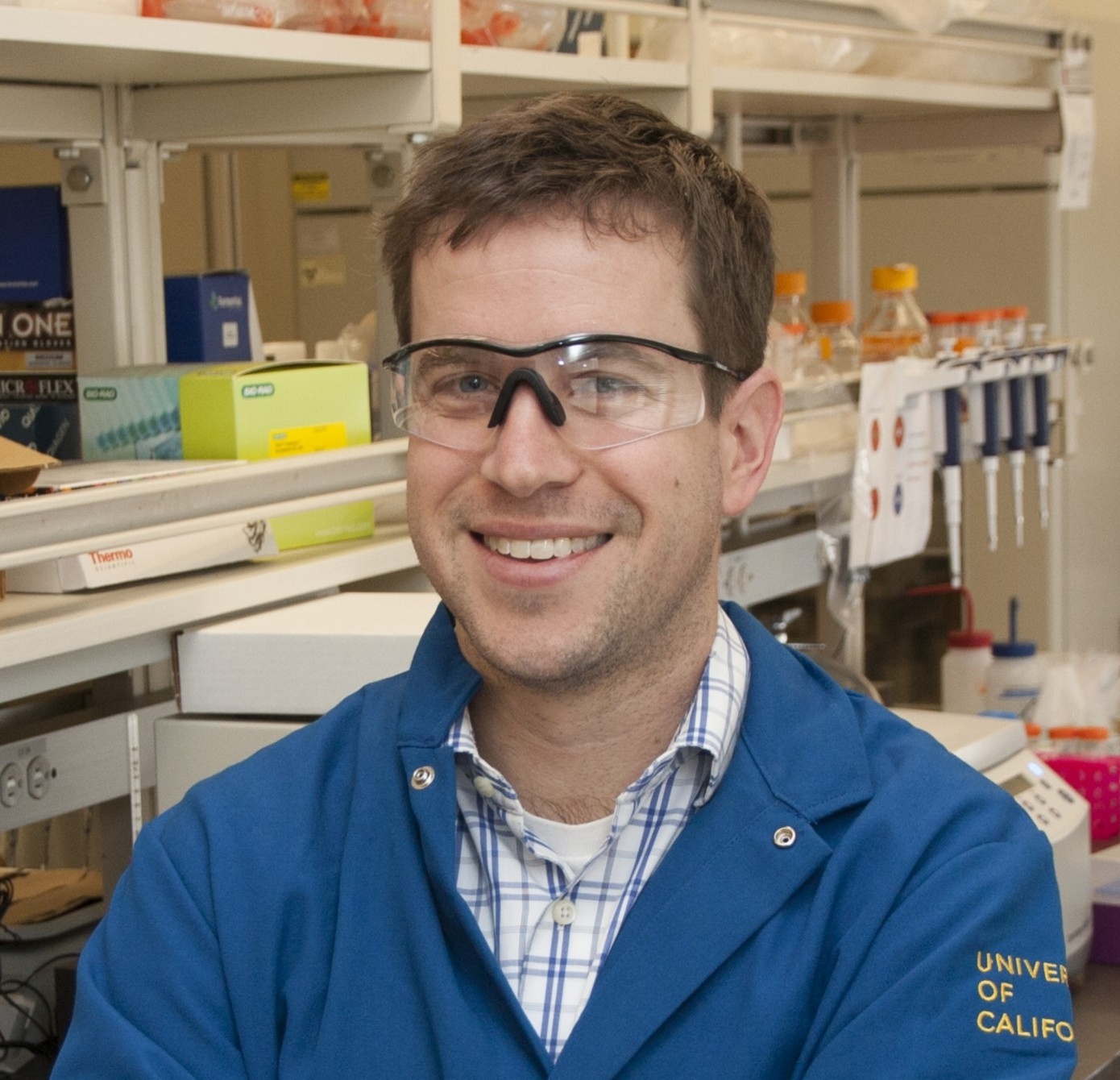
Spring 2026 Grantee Highlight:
Sara Cherry

Sara Cherry, PhD
Professor of Pathology and Laboratory Medicine, University of Pennsylvania
Interferons are molecular alarm signals that mobilize the immune system against viruses. Yet their levels must be exquisitely balanced: too little leaves the body vulnerable to infection, while too much can drive damaging inflammation and autoimmune disease. An important question is how cells achieve this balance while remaining poised to respond rapidly to new threats. Sara Cherry has discovered a previously unrecognized control system that helps regulate interferon responses by governing the lifespan of interferon messenger RNAs, the short-lived molecules that carry instructions for interferon production. An RNA-binding protein called tristetraprolin acts as a molecular timer, tagging these messages for degradation and thereby limiting both the magnitude and duration of interferon production.
Remarkably, disrupting this regulatory system not only increases baseline interferon levels but can also induce a lasting change in immune responsiveness, a form of innate immune memory that enables cells to mount stronger responses to subsequent infections. Combining genetic screening with molecular analysis, the Cherry Lab will identify the broader network of factors that govern interferon regulation, from baseline activity and homeostatic control to the establishment of long-term immune memory.
This work could uncover new mechanisms of immune regulation and provide insight into how antiviral defenses are calibrated over time. These findings may reveal molecular targets relevant to a wide range of conditions, including viral infection, autoimmunity, chronic inflammation, and cancer.
Learn more about the Cherry Lab: https://www.med.upenn.edu/cherrylab/