

What We Do

We Support
Basic Science
The Mathers Foundation supports basic research with translational potential in areas such as immunology, microbiome, structural biology, cancer, genetics, stem cells, and neuroscience. We fund work that can lead to major advances in scientific understanding and human health.
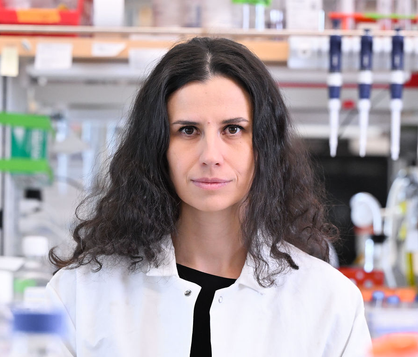
Image credit: Priya Rajasethupathy with Lab Staff
Transformational Research. Meaningful Impact.
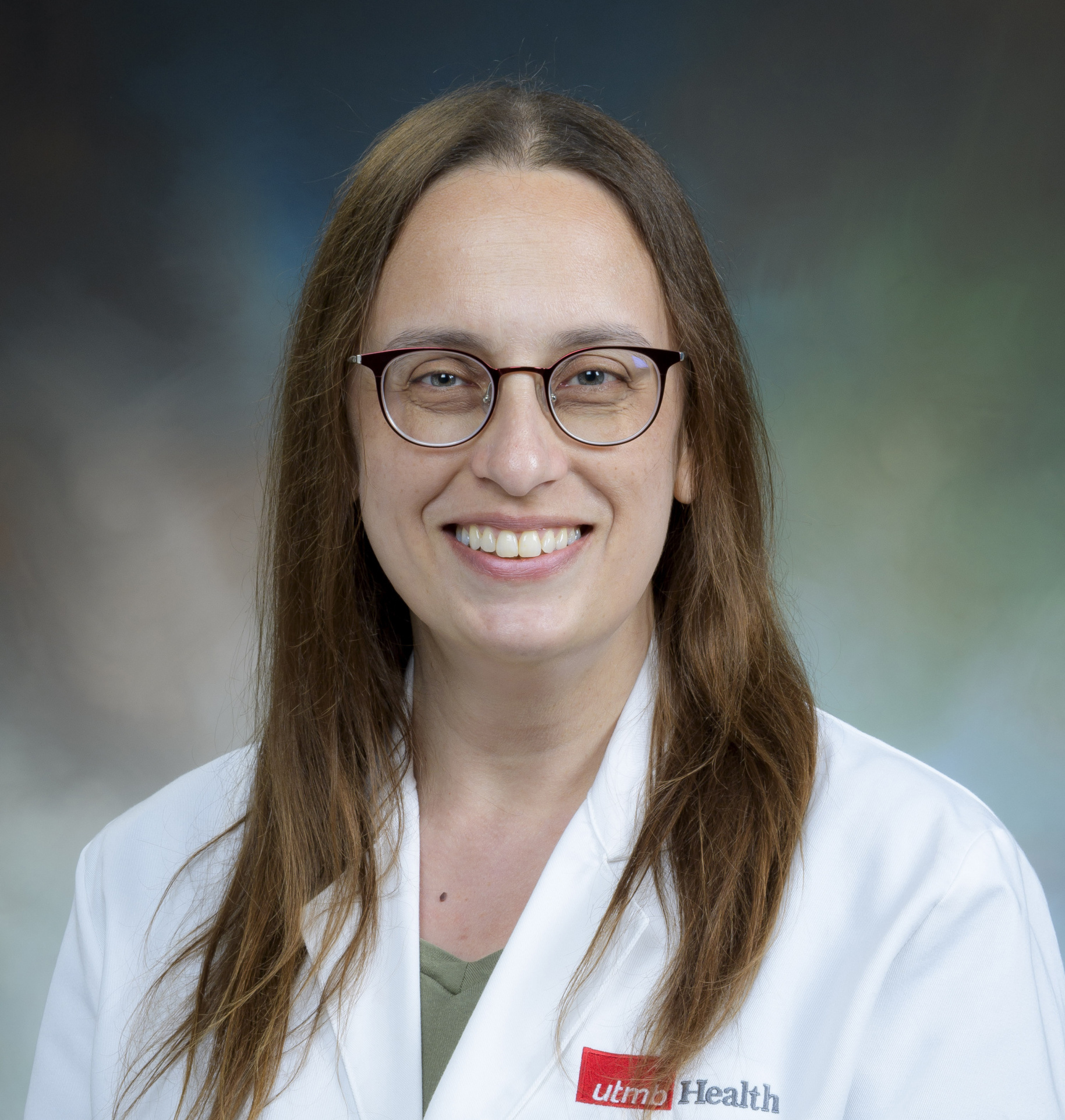

Aiden Lab reveals how the genome’s three-dimensional architecture shapes development and disease
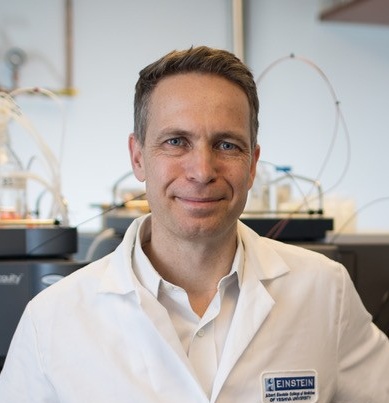

Michael Berney explores hidden genome changes in tuberculosis


Cherry Lab decodes molecular switches that regulate antiviral defense and immune memory
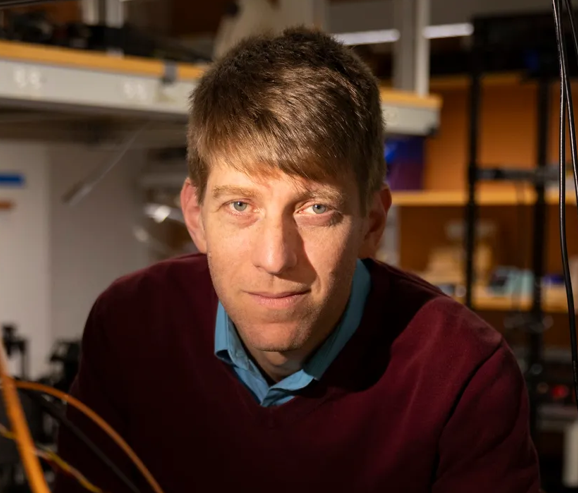

Cohen Lab develops new platform to reveal how genes contribute to neural function


Amélie Collins examines developmental drivers of early-life susceptibility to infection


Larry Corey and Karsten Eichholz lead development of new CAR-T approaches for persistent HIV


The Gitler Lab reprograms vulnerable motor neurons to build resilience in ALS
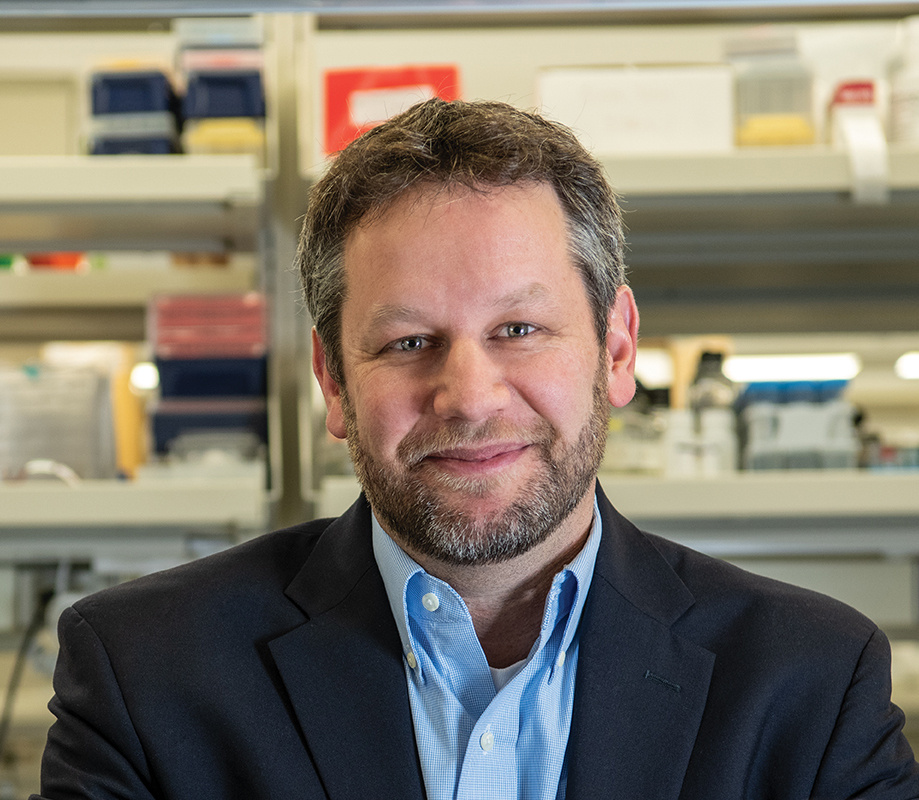

The Goodman Lab maps how gut bacteria transform drugs and other xenobiotics


The Lee Lab investigates how the placenta controls protein synthesis to support a healthy pregnancy
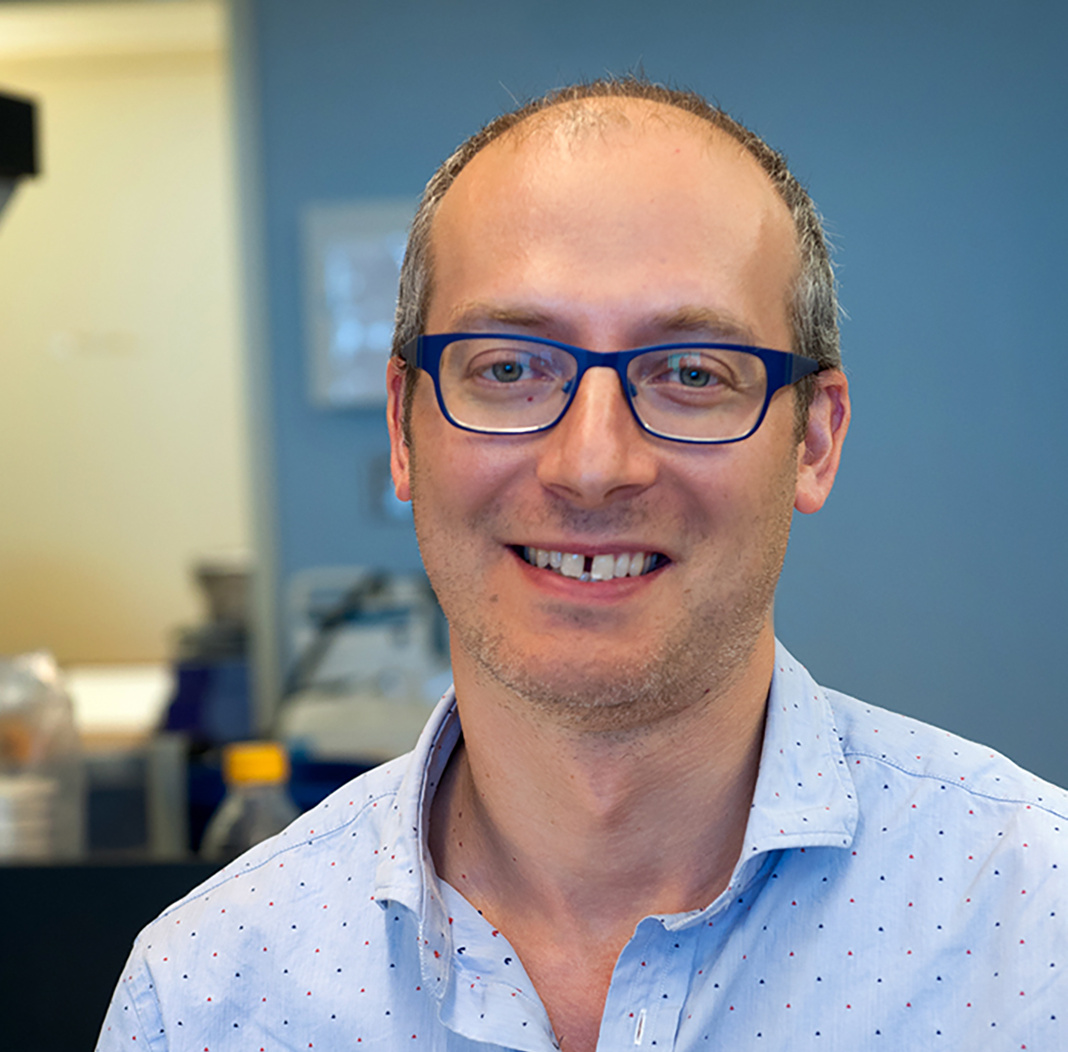

Lipton Lab uncovers a new layer of circadian regulation
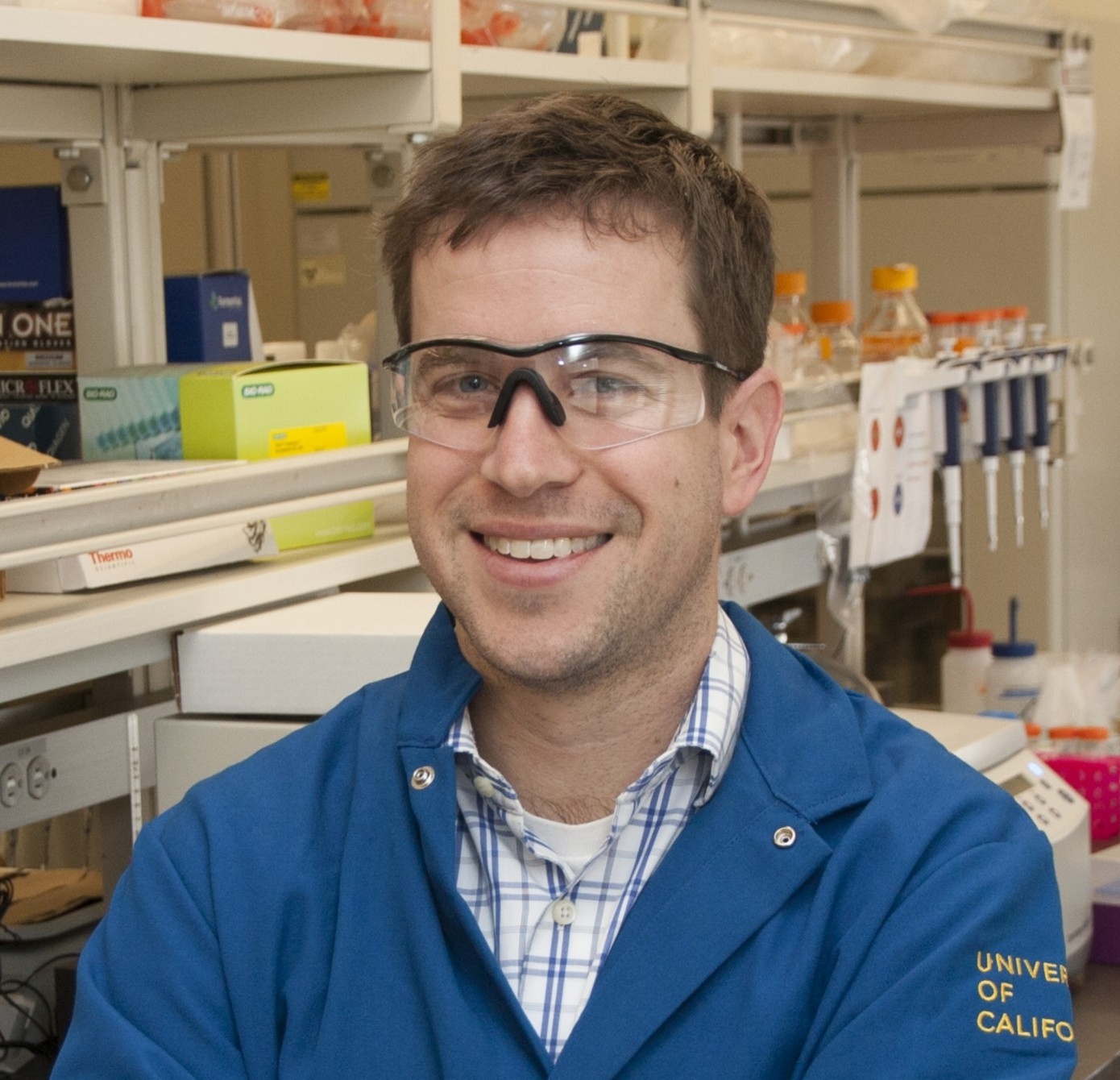
Evan Miller and collaborators explore the landscape of near-infrared opsins
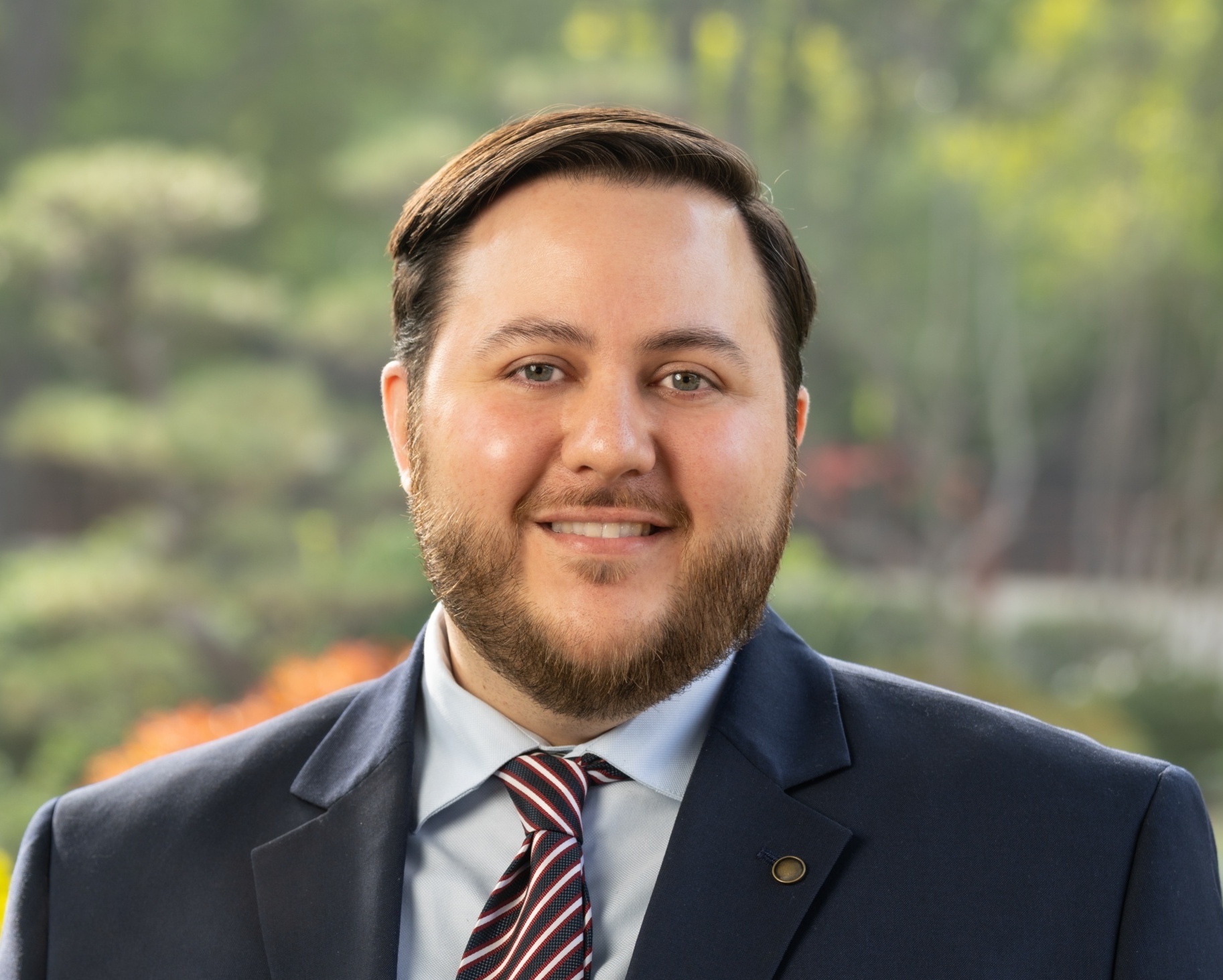

The Sklavenitis Pistofidis Lab engineers blood cancer cells to enable precision therapies


Defining How the Bach2/AP1 Switch Shapes Age-Specific Immunity in the Rudd Lab


Tan Lab probes what drives different outcomes of mycobacterium tuberculosis infection within the lung

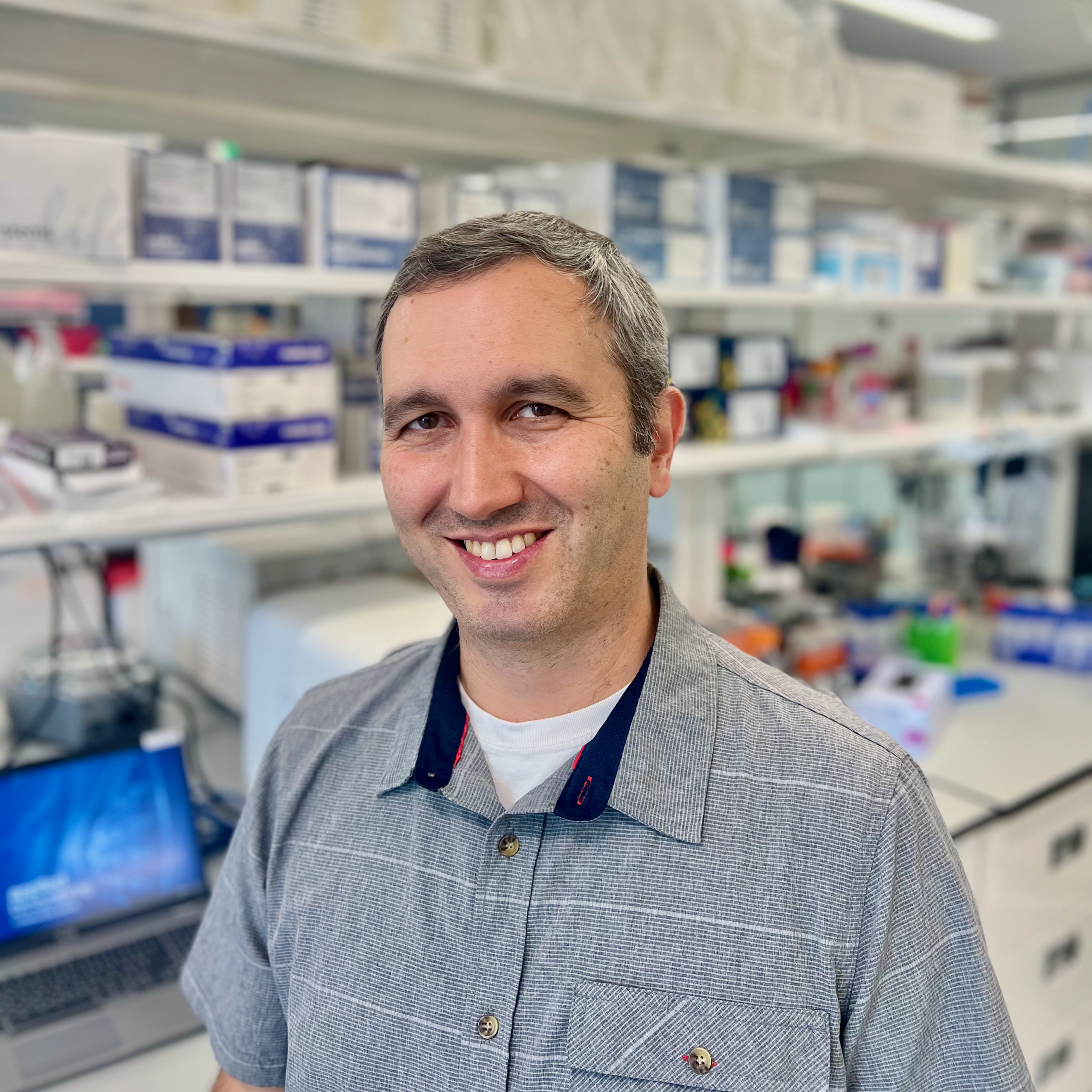
Thaxton Lab harnesses organelle architecture to rewire T cell metabolism
Eric Van Nostrand identifies how snRNA modifications drive alternative splicing in development and disease

Vicković Lab investigates age-related changes in spatial host-microbiome organization


Walz Lab reveals how T-Cell receptors trigger immune responses to guide next-generation therapeutics


Young Lab restores protein motion to reduce disease severity in genetic disorders
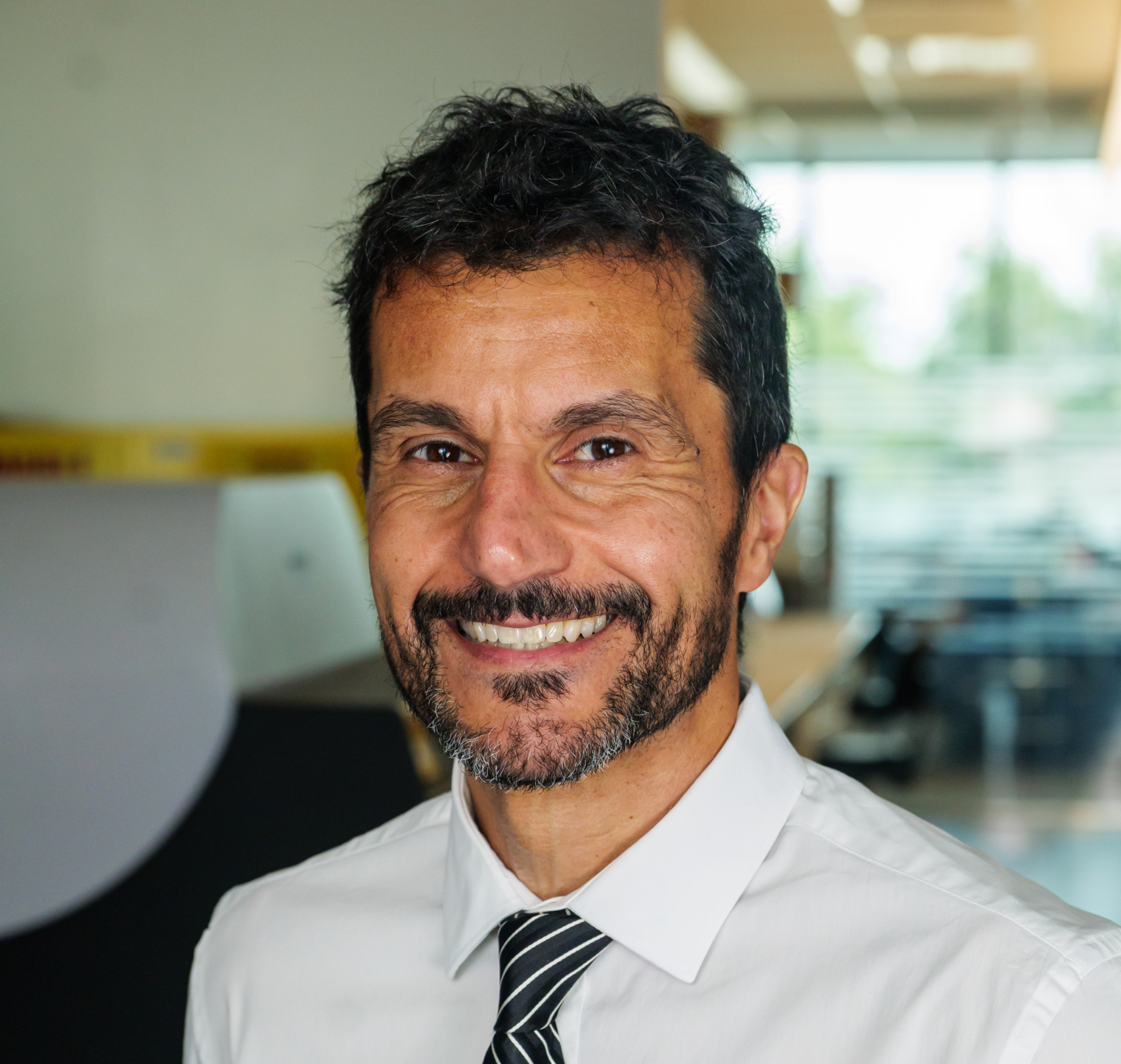

How the Chade Lab Is Advancing New Therapeutic Strategies to Protect the Heart in CKM Syndrome
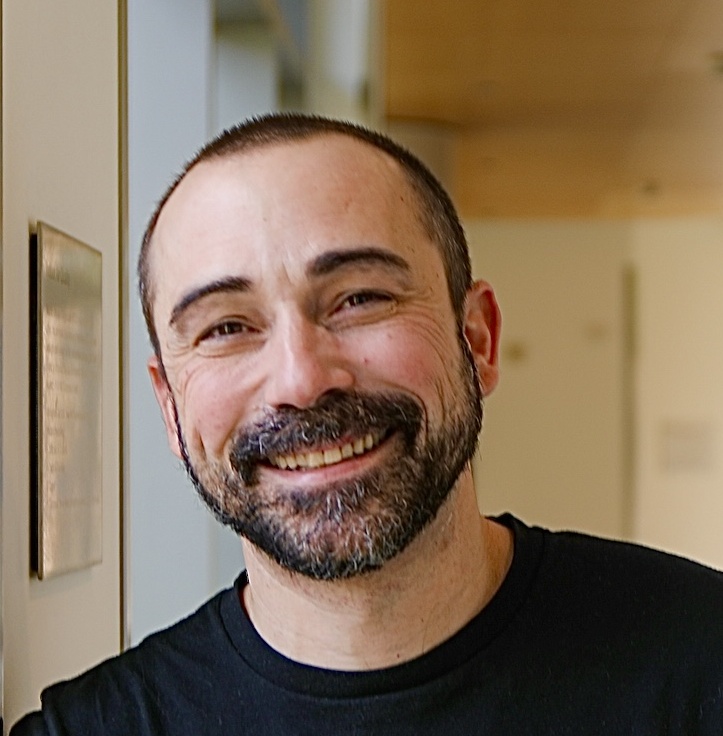

Cohen Lab Defines a New Hybrid Protein Modification to Reveal Hidden Layers of Cellular Signaling


The Evans Lab Targets Muscle Senescence to Preserve Lean Mass in Obesity

Research led by Ruth Huttenhain Maps Kinase Signaling in Space and Time to Improve Therapeutic Design

Kenderian Lab Uncovers How Senescence Drives CAR T Cell Failure to Enable More Durable Immunotherapy


Ophir Klein and Team Engineer Living Cells to Rebuild the Intestine in Inflammatory Bowel Disease

The Liu Lab visualizes single molecule dynamics to reveal how core genetic processes malfunction in human disease


The Maher Lab Identifyies Therapeutic Targets for Schizophrenia Through High‑Throughput Electrophysiology in Human Neurons

Eric Mazur and Team Develop Laser‑Based Approaches to Enable Next‑Generation T Cell Engineering


Rissland Lab Investigates How “2A Peptides” Reprogram the Ribosome to Break Its Own Rules


A Disease‑Modifying Approach to Epilepsy Emerges from Avtar Roopra’s Research

The Tothova Lab Explores the Therapeutic Potential of Ancient Viral Elements in Blood Cancer
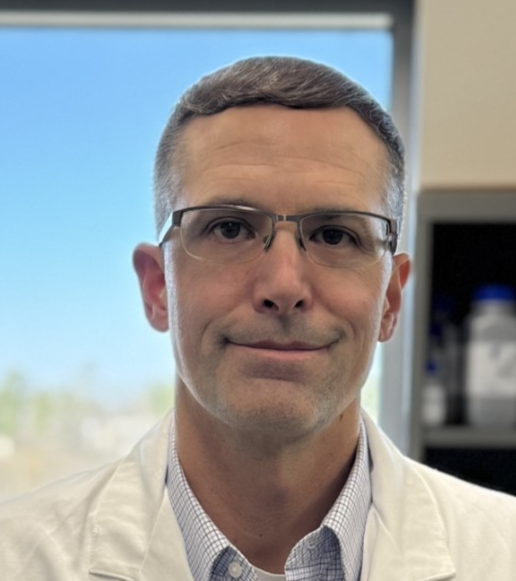

Collaborative Effort Led by Brad Walters Advances RNA Editing Tools to Transform Our Understanding of Hearing


Jinchong Zu leads research on Reactivating the Brain’s Resilience Switch for Alzheimer’s Disease Treatment


The Adams Lab and Collaborators Uncover New Avenues for Melanoma Treatment


The Bertozzi Lab is exploring a gene therapy approach for long-term autoimmune disease treatment by delivering antibody-degrading proteins that target harmful autoantibodies and offer the potential for lasting relief and reduced reliance on chronic immunosuppression
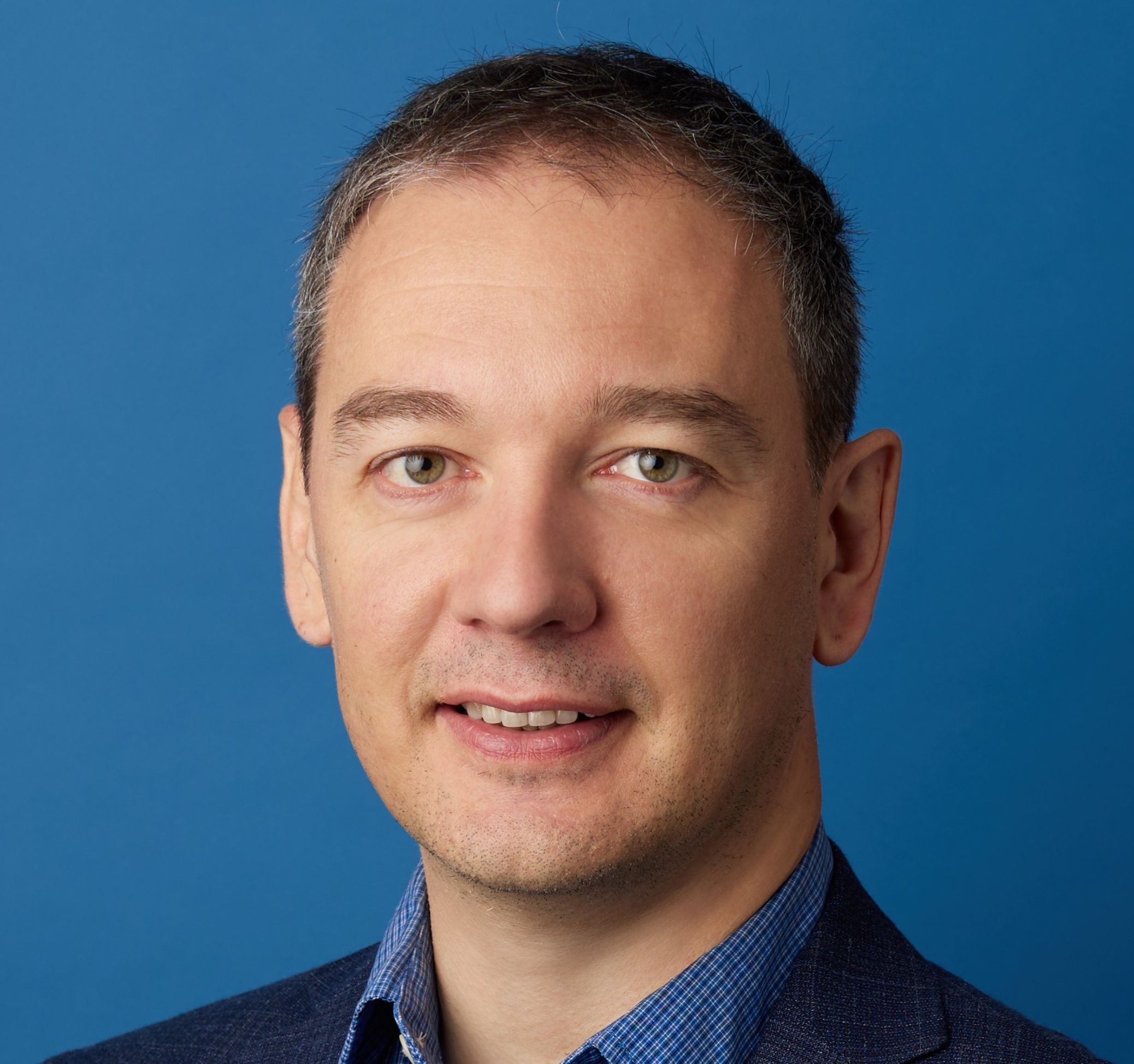

Creusot Lab Develops Patient-Derived Stem Cell Therapy for Organ-Targeted Autoimmune Diseases—Without Harsh Treatments


Molecules that drive cell-specific responses based on defined biological inputs can improve the safety and efficacy of biomedical technologies, and the Dickinson Lab aims to establish a new class of such “smart” molecules to enable more precise and effective anticancer therapies.
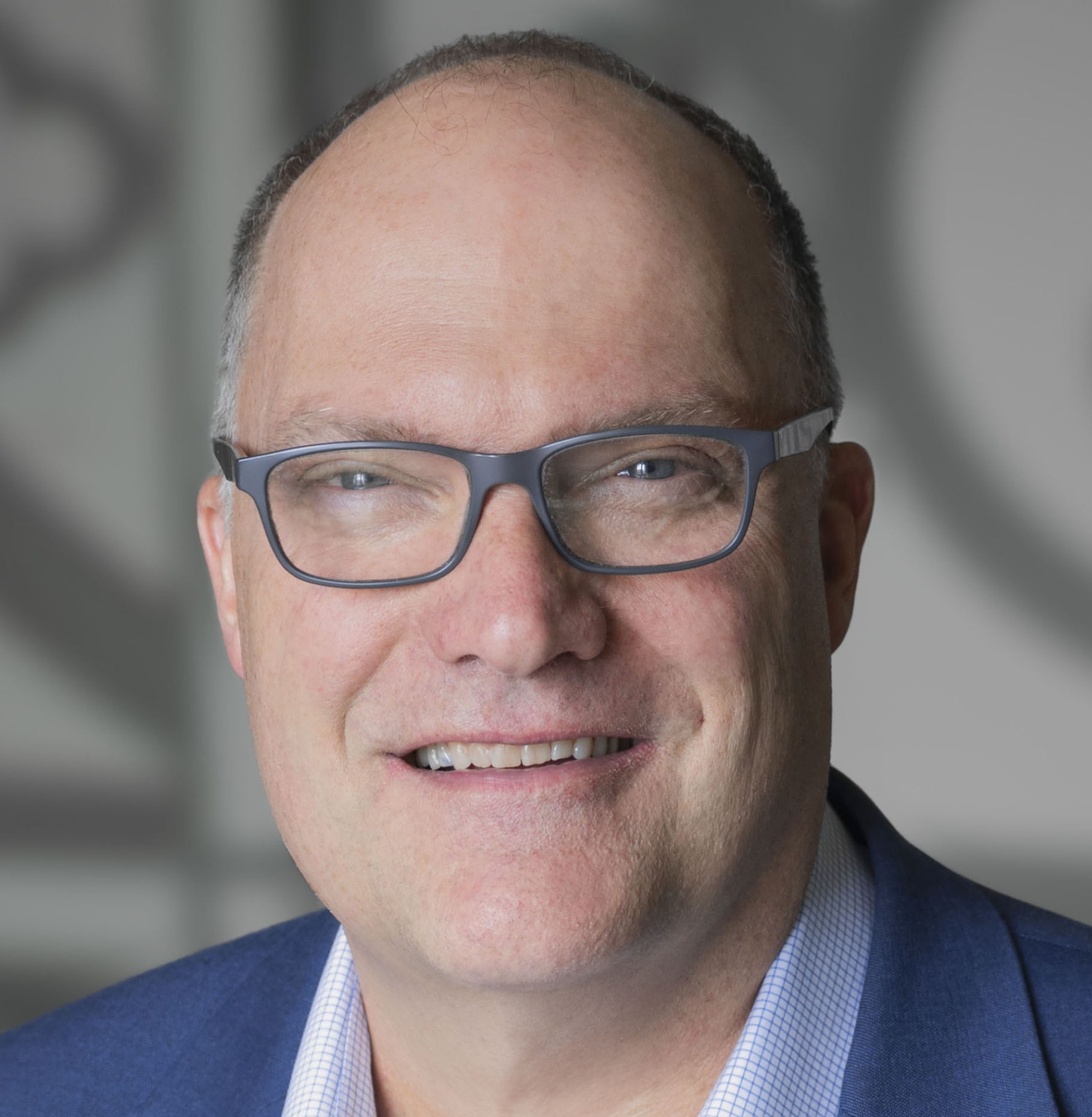
Collaborative Cancer Research Led by Kevin Gardner Lab Targets HIF and Egr Signaling Pathways
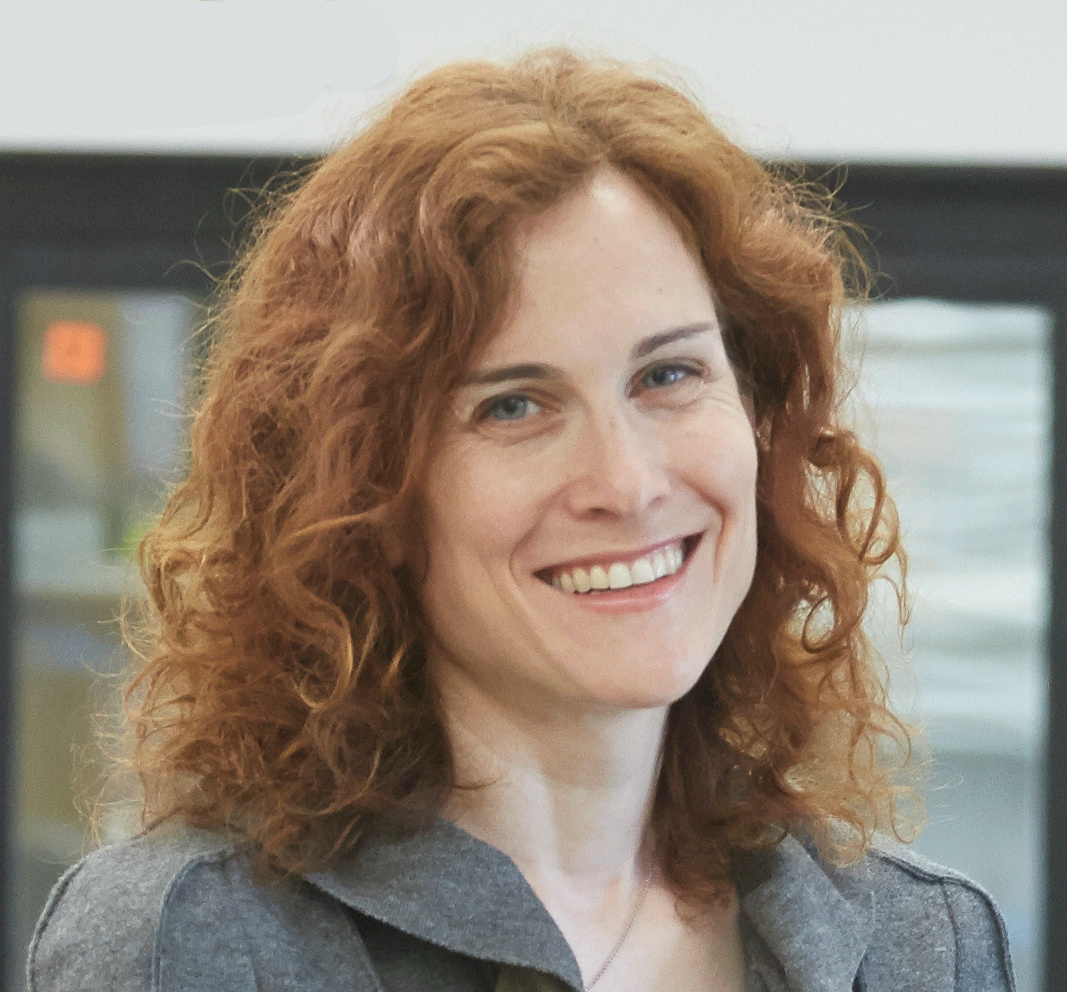
Gut microbial metabolites may influence immune function in chronic kidney disease, and the Garrett Lab is studying how amino acid byproducts that accumulate as kidney function declines affect immune cells involved in fighting infection
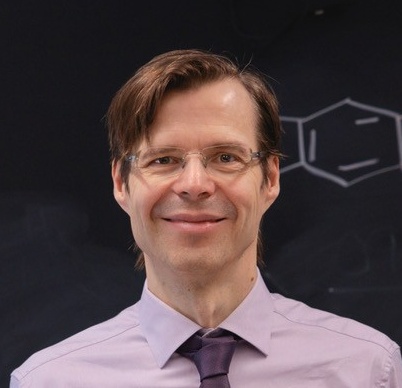
Columbia University Teams Led by Dalibor Sames Investigate Ibogaine’s Role in Reprogramming Brain Mitochondrial Function and Energy Allocation


Sellers Lab Uncovers New Way to Identify Targets of CRL4 Ubiquitin Ligases


Singh Lab Advances Engineered Skin with Pre-Formed Vessels for Challenging Wound
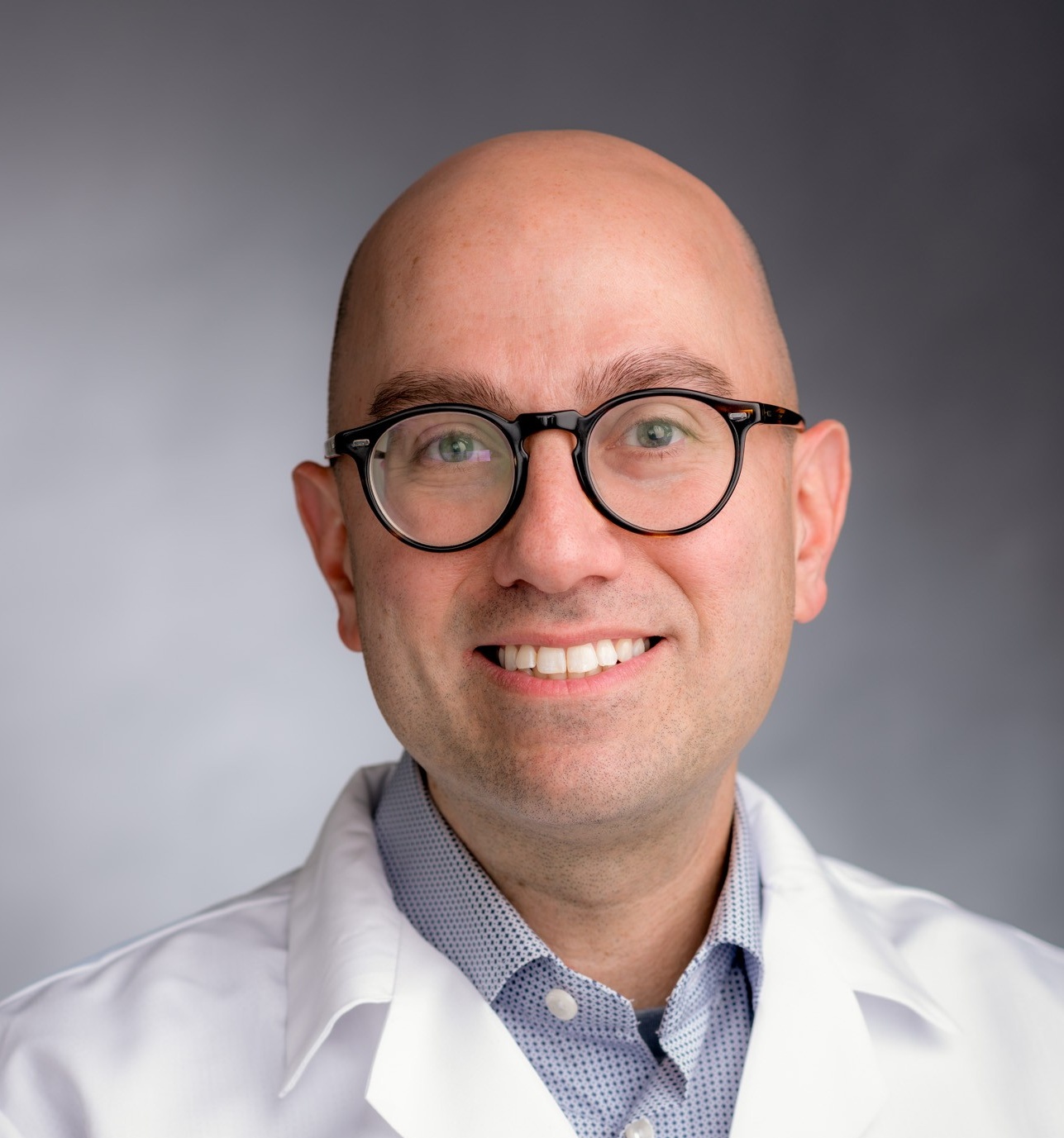
Eric Smith Lab Develops Durable, Accessible Immune Cell Therapy Platform for Cancer Treatment

Smogorzewska Lab Explores How Targeting DNA Replication Checkpoints Could Lead to New Cancer Therapies


The Zappasodi Lab is investigating how tumor metabolism affects blood vessel formation and T-cell movement, key factors that limit the effectiveness of immunotherapy. By uncovering how metabolic activity shapes the tumor environment, their work could lead to new strategies for improving T-cell infiltration and broadening the impact of cancer immunotherapies.
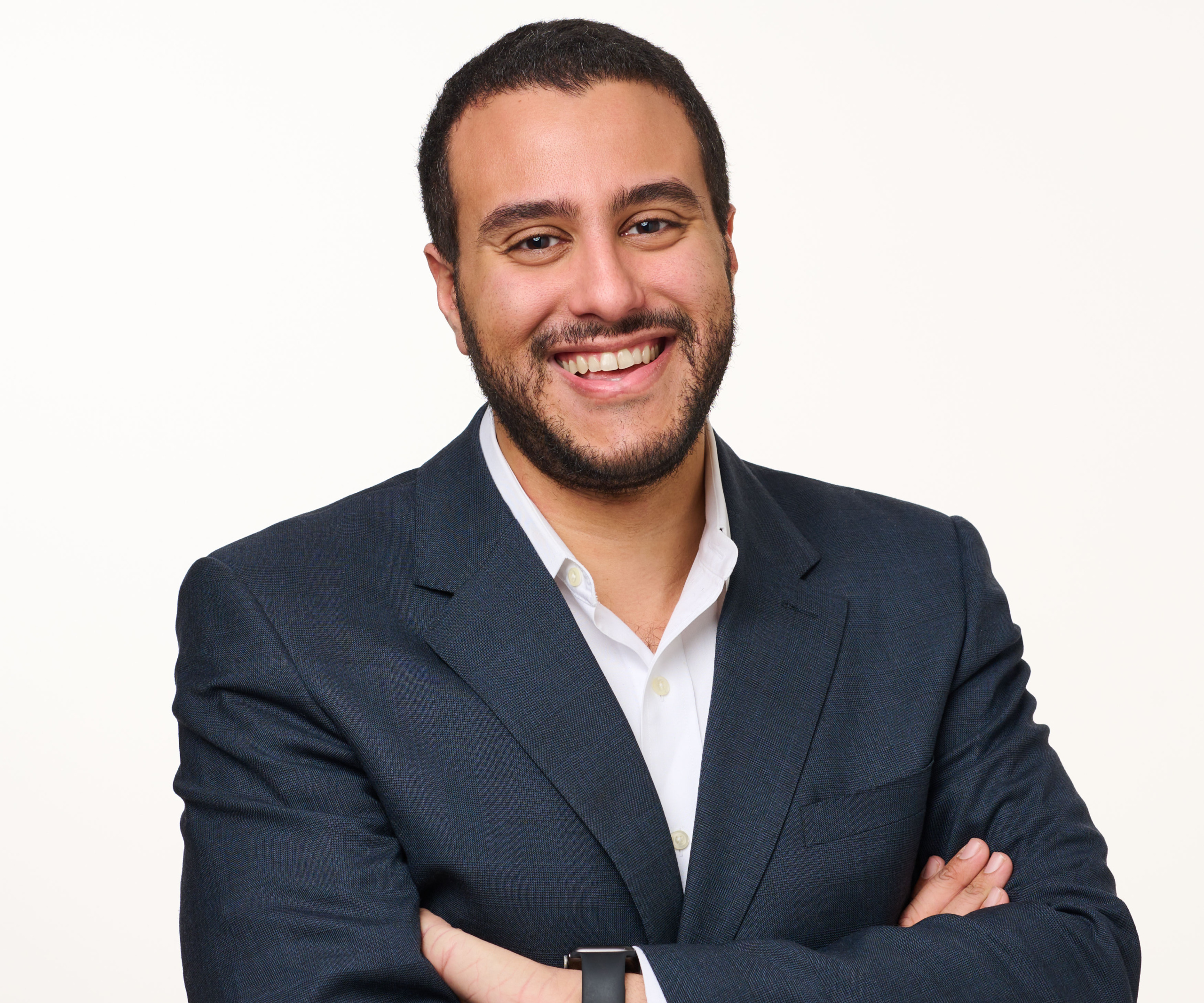

To decode fundamental mechanisms of cellular aging, the Abudayyeh and Gootenberg Labs will build a detailed atlas mapping rejuvenation and aging pathways across diverse human cell types. The ultimate goal is to identify novel drug targets that promote healthier aging and extend healthspan.

To decode fundamental mechanisms of cellular aging, the Abuddayyeh and Gootenberg Labs will build a detailed atlas mapping rejuvenation and aging pathways across diverse human cell types. The ultimate goal is to identify novel drug targets that promote healthier aging and extend healthspan.


The Chen Lab will unlock the potential of Next-generation RNA medicine – targeting circular RNAs for cancer treatment
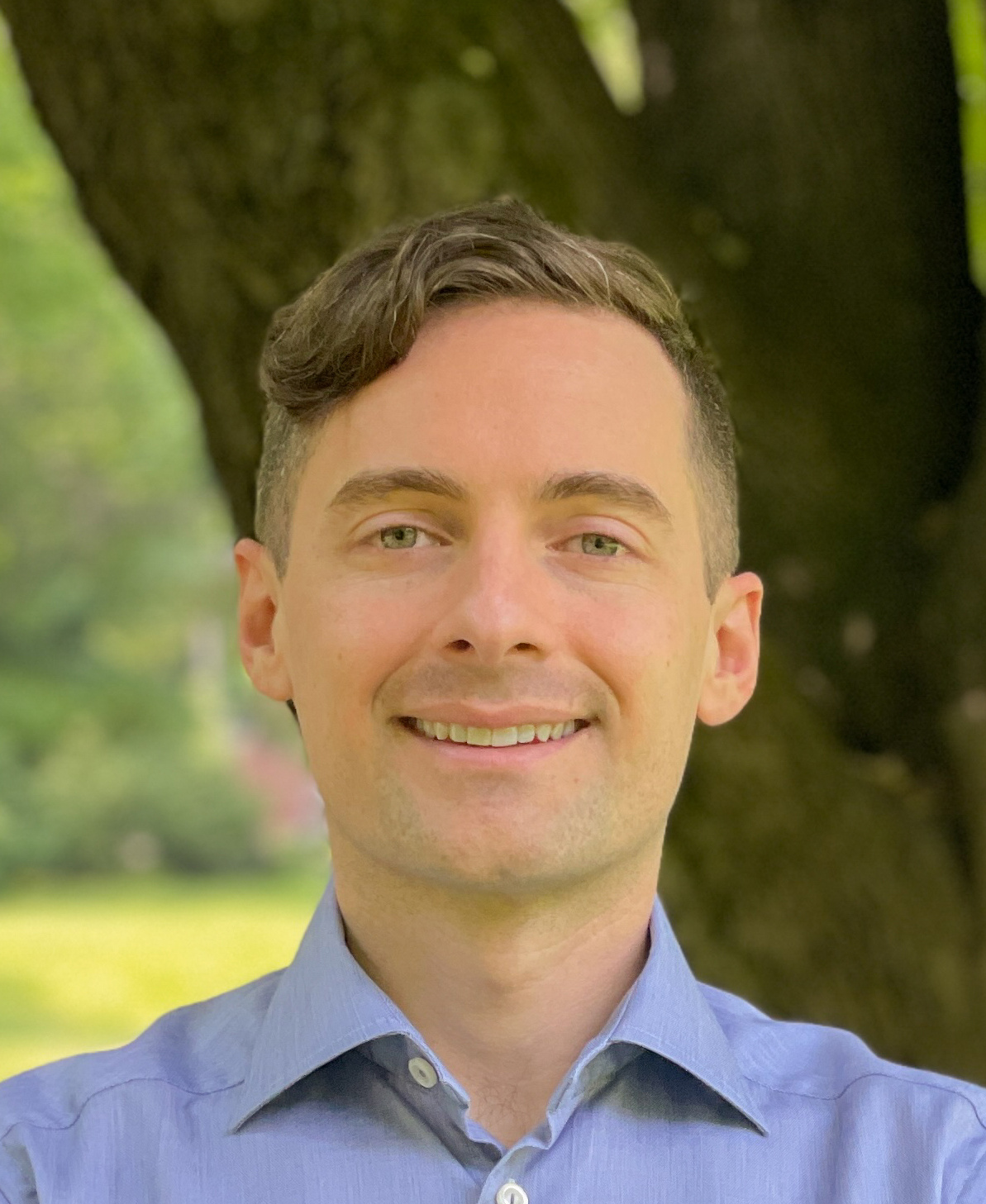
Signal transduction by growth factor activity plays a central role across a diverse set of biological processes, is highly regulated, and the focus of many therapeutic principles. The Flynn Lab will expand the scope of how growth factors decide how to productively interact with cells through an unexpected layer of RNA regulation.
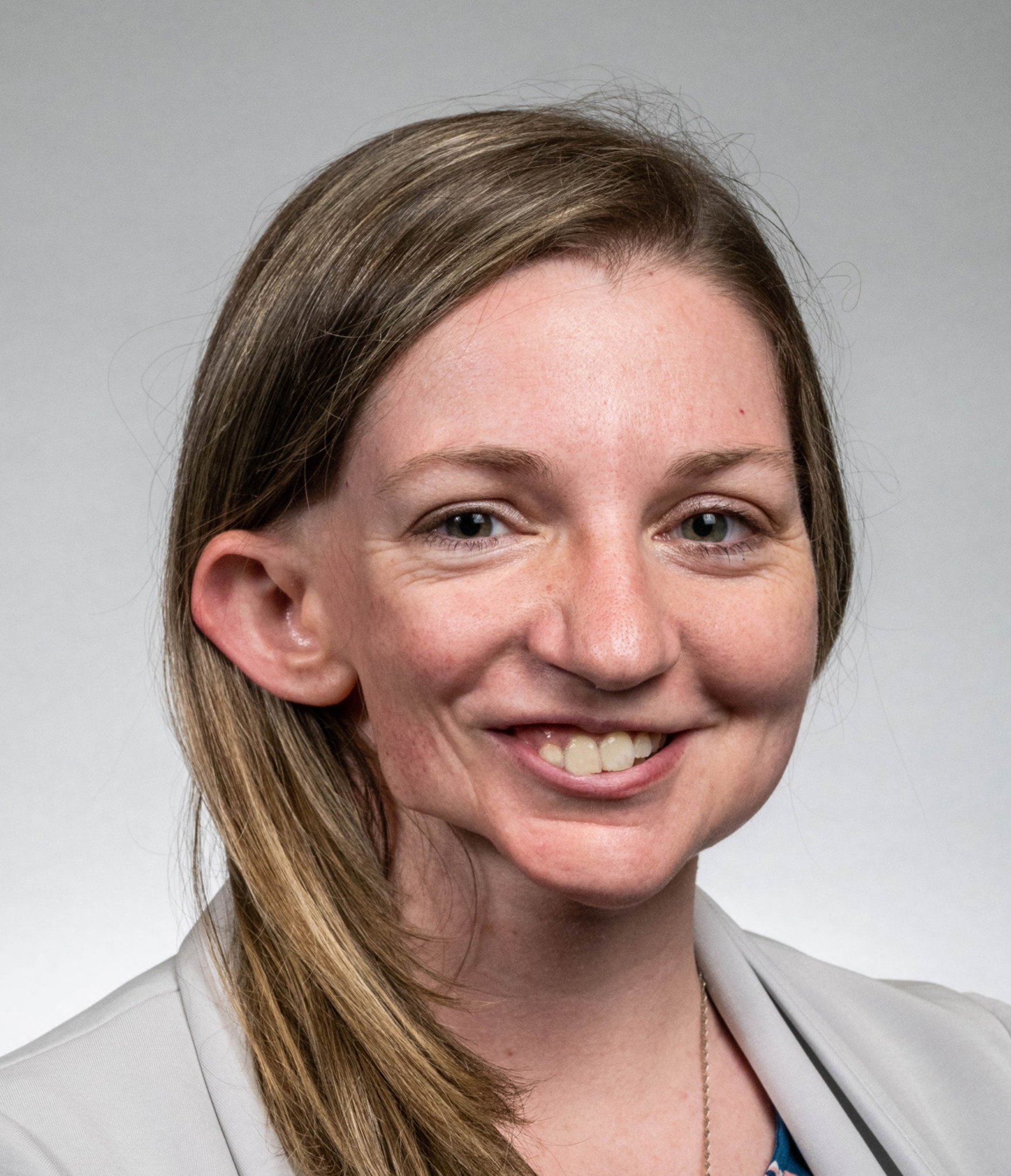
The Hayne and Oakes Labs are teaming up to characterize and understand the important role of an RNA splicing enzyme in cellular biology. They have evidence that cells adjust a specific part of RNA splicing to adapt to stressful conditions, and that this process goes awry in diseases such as cancer and neurodegeneration.
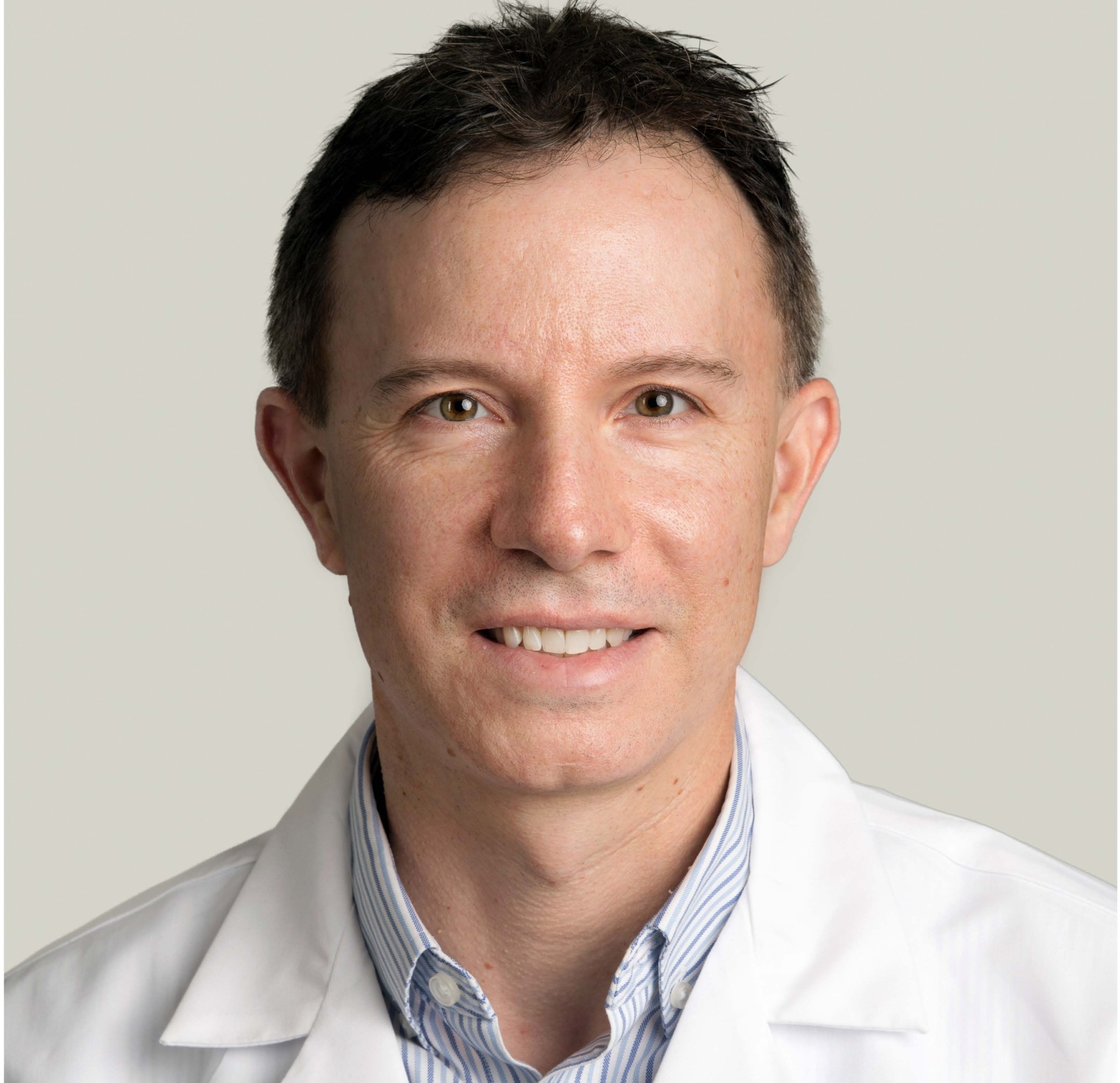
The Hayne and Oakes Labs are teaming up to characterize and understand the important role of an RNA splicing enzyme in cellular biology. They have evidence that cells adjust a specific part of RNA splicing to adapt to stressful conditions, and that this process goes awry in diseases such as cancer and neurodegeneration.

The Mustoe Lab will define mechanisms of 7SK non-coding RNA structural switching to enable new therapeutic paradigms for targeting aberrant transcription in cancer.

The Peng Lab will aim to uncover how ErbB receptor family members interact dynamically in living cells using advanced single-molecule imaging techniques. By visualizing these interactions in real time, the study will shed light on the molecular basis of oncogenic signaling and inform future cancer therapies.

The Rajasethupathy Lab previously identified that genetic variation in the brain’s thalamus explains meaningful behavioral variation in mouse short-term memory performance. Here, they will model the developing thalamus using human brain organoids to rapidly screen for additional genes linked to variation in short-term memory.
How To Apply
The first step in applying to our Grant Program is to ensure your organization and project meet the eligibility criteria. We recommend thoroughly reviewing our guidelines before starting an application.
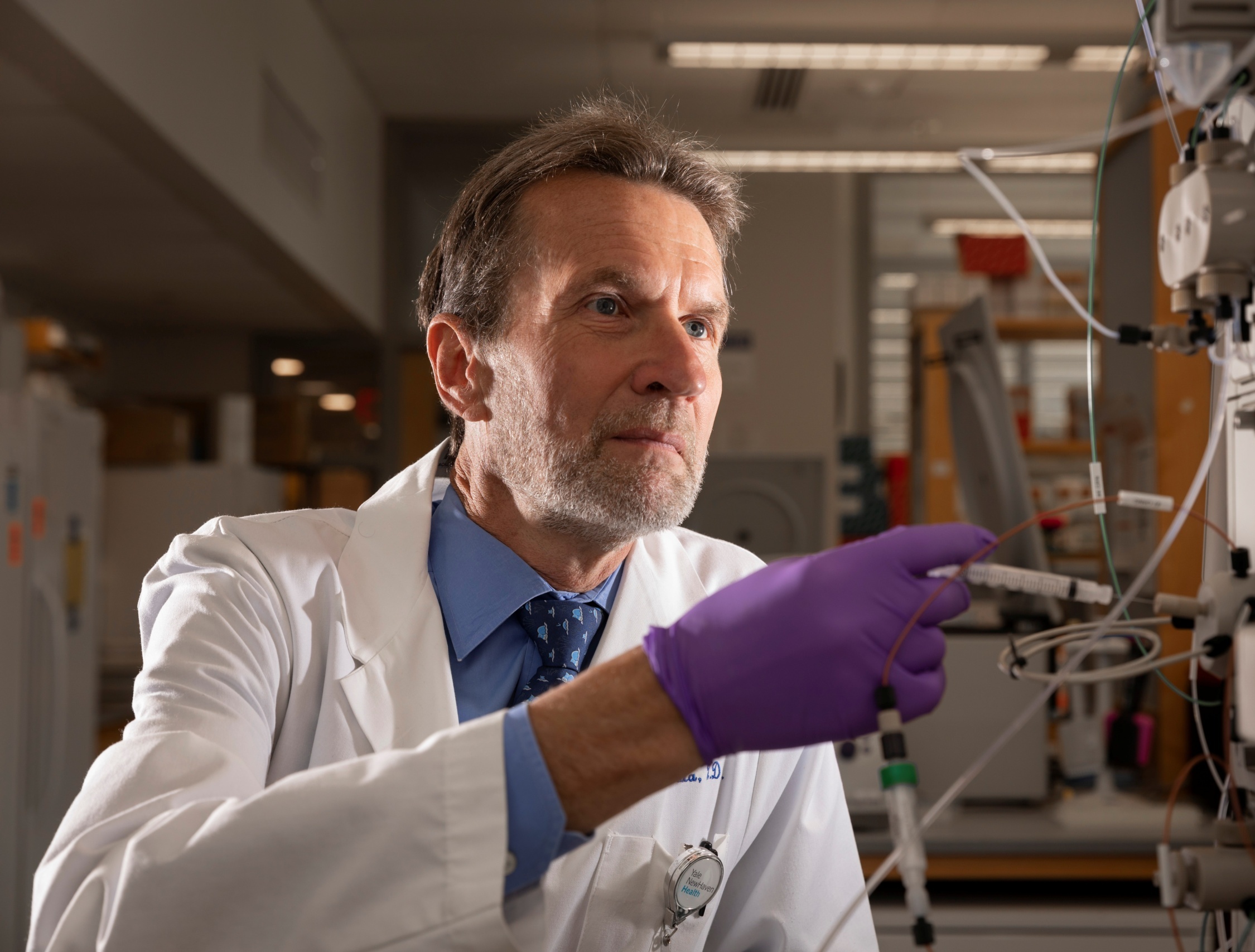
Image credit: Rick Bucala
Please read through our FAQ’s for any questions you may have.
We do not engage in such conversations with any university or institution to maintain objectivity in our application review process. Our website offers clear guidance for applicants. Reviewers prioritize innovative, high-merit proposals with an established proof of concept.
Yes. A one-time registration in the portal is required for anyone attempting to access the Mathers Foundation grants application and instructions, including Principal Investigators (PIs), Administrative Contacts, Signing Officials, and Additional Contacts or Financial Officers. Anyone new serving as an Administrative Contact or Principal Investigator must register by the grant cycle registration due date. Returning users will not need to re-register.
The Administrative Contact (AC) is the designated primary liaison between your institution and the foundation. This is an active, hands-on role—not intended for an executive-level representative. Each institution has a single Administrative Contact, who serves as the AC for all applications. The AC role should not be changed on individual applications.
This role supports applicants throughout the grant process and receives outcome notifications alongside the Principal Investigator (PI). The AC role is required for all applications.
All key correspondence should come from either the PI or the AC—or include the AC for transparency. Post-award responsibilities include assisting with reporting and maintaining communication with the foundation.
Individuals who need access to view, edit, or help prepare an application but are not the institution’s designated AC should be added as an Additional Contact or Finance Officer.