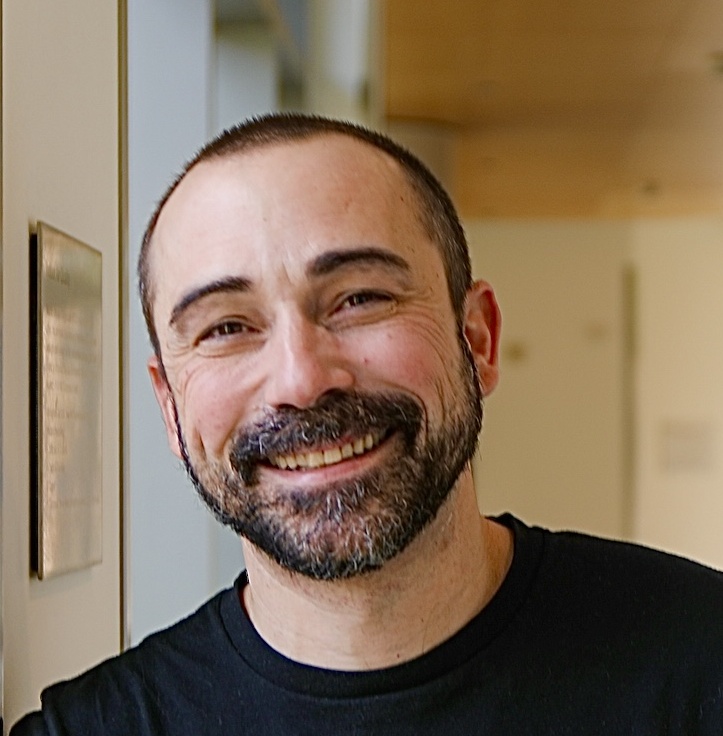
Fall 2025 Grantee Highlight:
Ruth Huttenhain

Ruth Huttenhain, PhD
Assistant Professor, Department of Molecular and Cellular Physiology, Stanford School of Medicine
Stanford researchers are developing a new technology to map cellular signals in space and time, revealing precisely when and where critical protein “switches” are activated inside living cells. These switches, known as kinases, regulate essential cellular processes, and their malfunction can contribute to diseases such as cancer and diabetes. Yet scientists still lack tools to pinpoint exactly when and where these signals occur within different parts of the cell.
A project led by Ruth Huttenhain, in collaboration with Alice Y. Ting, both at the Stanford School of Medicine, aims to address this challenge by creating customizable biosensors that track multiple kinases simultaneously. These molecular reporters can be activated with a brief flash of light, allowing researchers to capture kinase activity within precise time windows and specific cellular regions. The team will apply this platform to the GLP‑1 receptor, a major target for modern weight‑loss drugs, to better understand why some medications cause side effects while others do not.
By offering a detailed blueprint of kinase activity, this work has the potential to provide a transformative new tool for cell biology and support the development of safer, more effective therapies for diseases linked to these essential cellular signaling pathways.